


Where to Get Precise Skin Cancer Excision in New York, NY?
Skin cancer excision is a surgical procedure used to remove cancerous lesions from the skin, ensuring complete removal of abnormal cells. The procedure involves excising the cancerous tissue along with a small margin of healthy skin to minimize the risk of recurrence. Dr. Naomi S. Donnelley, MD, FAAD, a board-certified dermatologist at Donnelley Dermatology, ensures precision during the excision, promoting effective removal and a smooth healing process. The goal is to treat the cancer while maintaining the best possible cosmetic outcome for the patient. For more information, contact us or schedule an appointment online. We are conveniently located at 1075 Park Ave , #1C, New York, NY, 10128.
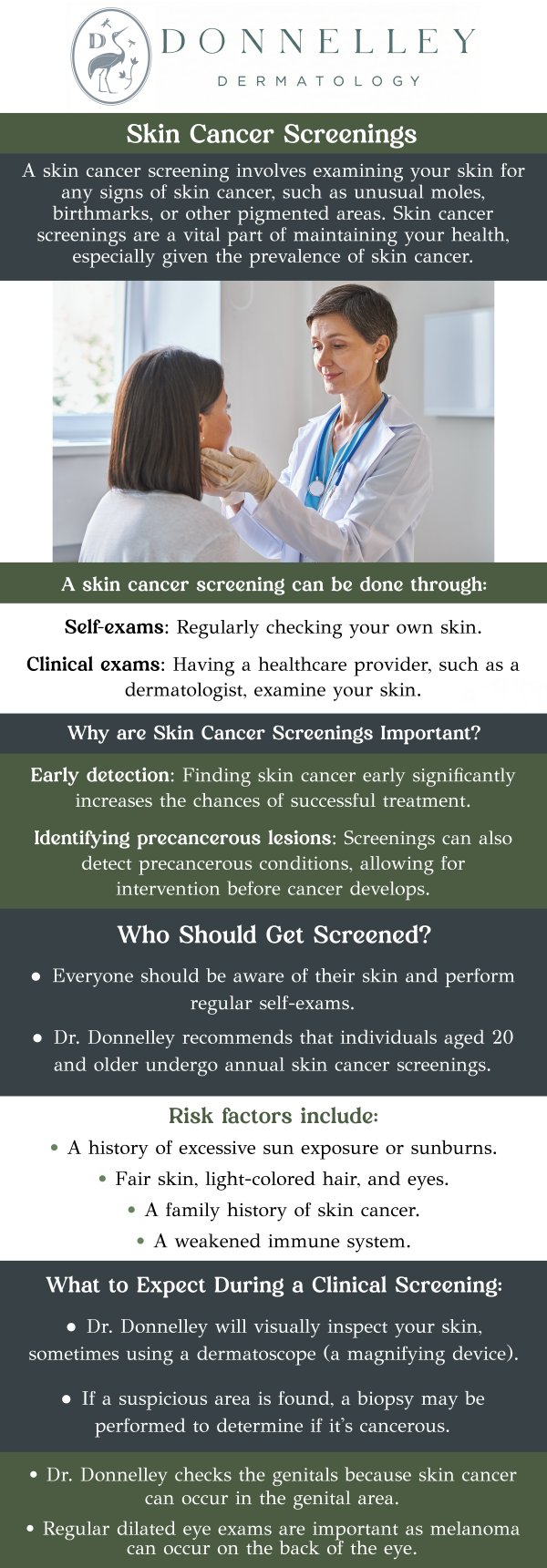
Table of Contents:
What is skin cancer excision?
Why is skin cancer excision necessary?
What can I expect during a skin cancer excision procedure in New York, NY?
How long does it take to recover from a skin cancer excision?
How Can Dr. Naomi Donnelley’s Skin Cancer Excision Procedure Improve Your Skin Health in New York, NY?
Skin cancer excision is a surgical procedure used to remove cancerous or abnormal growths from the skin. This procedure is essential for treating skin cancers such as basal cell carcinoma, squamous cell carcinoma, and melanoma. The excision involves removing not only the cancerous lesion but also a small portion of surrounding healthy tissue to ensure that all cancerous cells are effectively eliminated, minimizing the chance of recurrence. After the lesion is removed, the tissue is sent for lab testing to ensure that all affected areas are cleared.
The procedure is typically performed under local anesthesia, meaning the area around the skin cancer is numbed to keep the patient comfortable. The excision itself is generally straightforward, with the surgeon using specialized tools to remove the lesion with precision. Once the tissue is removed, the wound is closed using fine sutures, promoting smooth healing and minimal scarring. For larger or more complex lesions, Mohs surgery may be performed, which involves removing skin cancer layer by layer and examining each layer under a microscope until all cancerous cells are removed.
Skin cancer excision is a highly effective treatment that not only eliminates the cancerous cells but also helps restore the skin’s appearance, especially when the procedure is done early. Timely excision ensures that the cancer does not spread and provides long-term skin health, minimizing the risk of more serious health issues. If you have a suspicious lesion or have been diagnosed with skin cancer, early excision is crucial for preventing further complications.
Skin cancer excision is necessary because it provides the most effective way to remove cancerous skin lesions before they have the chance to spread. Skin cancers, such as basal cell carcinoma and squamous cell carcinoma, are often slow-growing and can remain localized for a long period. However, if left untreated, these cancers can invade deeper skin layers and potentially spread to other parts of the body. Excision ensures that all cancerous tissue is removed, preventing the need for more aggressive treatments later on.
Excision is essential for the complete removal of the affected tissue, which greatly reduces the risk of cancer recurrence in the treated area. By cutting away both the cancerous lesion and a small margin of surrounding healthy tissue, excision ensures that no cancerous cells are left behind. In the case of melanoma, a more aggressive type of skin cancer, excision helps prevent it from spreading to other parts of the body, making early detection and removal critical for successful outcomes.
Moreover, excision is a safe, effective, and relatively quick treatment option for skin cancer that provides clear results. It is generally performed on an outpatient basis, requiring minimal recovery time. By addressing the cancer at its early stages, skin cancer excision not only improves the patient’s long-term health but also offers an aesthetically pleasing outcome, especially when performed by an experienced, skilled dermatologist.
If you notice a suspicious mole or have a family history of skin cancer, scheduling an evaluation for early excision can prevent more serious consequences and provide peace of mind.
When you undergo skin cancer excision at Donnelley Dermatology in New York, NY, you can expect a safe, efficient procedure that prioritizes your comfort and health. The process begins with a consultation where Dr. Naomi S. Donnelley, MD, FAAD, a board-certified dermatologist, evaluates the lesion and discusses the best approach to remove it. Dr. Donnelley will explain the steps involved and address any concerns you may have, ensuring you’re fully informed.
On the day of the excision, local anesthesia is applied to numb the area around the lesion, ensuring you are comfortable and pain-free during the procedure. The excision involves the removal of the cancerous lesion and a small margin of healthy tissue, which reduces the risk of recurrence. Once the tissue is removed, it is sent for lab analysis to confirm the margins are clear of cancer cells.
The wound is then carefully closed using fine sutures, which helps minimize scarring and promotes smooth healing. Depending on the size and location of the excision, you may need a follow-up visit for stitch removal, typically within 7 to 14 days. The entire procedure is generally completed in one session, and most patients can go home the same day.
After the excision, Dr. Donnelley will provide specific aftercare instructions to ensure proper healing and reduce the risk of infection. While recovery is typically quick, patients are advised to avoid strenuous activity and excessive sun exposure during the healing process. Dr. Donnelley will monitor the healing progress to ensure optimal results.
The recovery process after skin cancer excision typically takes between 1 to 3 weeks, depending on the size and location of the excised area. Following the procedure, most patients experience minimal discomfort and are able to return to normal activities relatively quickly. Swelling, redness, and minor bruising are common in the first few days but usually subside within a week.
For smaller excisions, you can generally expect to return to most normal activities within a day or two, though you may need to take it easy for a few days to avoid stress on the treated area. If stitches are used, they are typically removed within 7 to 14 days, depending on the location and healing rate. For larger excisions or more complex cases, full recovery may take slightly longer, but discomfort is usually manageable with over-the-counter pain relief.
Proper aftercare is essential for minimizing scarring and ensuring optimal healing. Dr. Naomi S. Donnelley will provide detailed aftercare instructions, which may include keeping the wound clean, applying prescribed ointments, and avoiding sun exposure. It is also important to follow any restrictions on physical activity to avoid disturbing the treated area during the early stages of healing.
With diligent aftercare and follow-up visits, most patients heal well and experience only minor scarring. Dr. Donnelley will monitor your progress to ensure that the site is healing properly and that there are no signs of infection or complications.
Dr. Naomi S. Donnelley, MD, FAAD, is a board-certified dermatologist who specializes in skin cancer excision with a focus on precision, safety, and optimal cosmetic results. When you undergo skin cancer excision at Donnelley Dermatology in New York, NY, Dr. Donnelley takes a personalized approach to ensure the complete removal of cancerous lesions while preserving the surrounding healthy skin. With her extensive experience in both medical dermatology and cosmetic dermatology, Dr. Donnelley not only removes the cancer but also prioritizes minimal scarring and a smooth recovery, allowing you to maintain the best possible appearance while safeguarding your skin’s health.
The skin cancer excision procedure performed by Dr. Donnelley goes beyond just cancer removal — it also improves the overall health and longevity of your skin. By carefully excising the cancerous tissue and performing the procedure with advanced techniques, Dr. Donnelley helps reduce the risk of recurrence and ensures that your skin heals effectively. This early intervention not only provides peace of mind but also supports the long-term health of your skin, as the removal of harmful tissue prevents it from spreading and potentially causing more significant health problems. At Donnelley Dermatology, Dr. Donnelley’s expertise ensures that your skin stays safe, healthy, and looking its best, even after excision. For more information, contact us or schedule an appointment online. We are conveniently located at 1075 Park Ave , #1C, New York, NY, 10128. We serve patients from New York NY, Bronx NY, Brooklyn NY, Manhattan NY, Harlem NY, and surrounding areas.

Check Out Our 5 Star Reviews


ADDITIONAL SERVICES YOU MAY NEED
▸ Acne Treatment
▸ Birthmarks
▸ Eczema
▸ Warts
▸ Molluscum Contagiosum
▸ Viral Rashes
▸ Drug-Induced Rashes
▸ Rashes Treatment
▸ Seborrheic Dermatitis
▸ Fungal Infections
▸ Hives
▸ Dysport
▸ Fillers
▸ Fine Lines & Wrinkles
▸ Facial Volume
▸ Microneedling
▸ Fraxel Laser
▸ Intense Pulsed Light (IPL)
▸ Venous Stasis Dermatitis
▸ Pigmentation Treatment
▸ Melasma Treatment
▸ Dark Spots
▸ Freckles and Lentigines
▸ Cyst Excisions
▸ Mole Removal
▸ Skin Tags
▸ Skin Cancer Screening
▸ Basal Cell Carcinoma (BCC)
▸ Squamous Cell Carcinoma (SCC)
▸ Melanoma
▸ General Dermatology
▸ Psoriasis
▸ Rosacea
▸ Herpes Infections
▸ Shingles
▸ Hair Loss
▸ Dry Skin
▸ Seborrheic Keratoses

ADDITIONAL SERVICES YOU MAY NEED
▸ Acne Treatment
▸ Birthmarks
▸ Eczema
▸ Warts
▸ Molluscum Contagiosum
▸ Viral Rashes
▸ Drug-Induced Rashes
▸ Rashes Treatment
▸ Seborrheic Dermatitis
▸ Fungal Infections
▸ Hives
▸ Dysport
▸ Fillers
▸ Fine Lines & Wrinkles
▸ Facial Volume
▸ Microneedling
▸ Fraxel Laser
▸ Intense Pulsed Light (IPL)
▸ Pigmentation Treatment
▸ Melasma Treatment
▸ Dark Spots
▸ Freckles and Lentigines
▸ Cyst Excisions
▸ Mole Removal
▸ Skin Tags
▸ Skin Cancer Screening
▸ Basal Cell Carcinoma (BCC)
▸ Squamous Cell Carcinoma (SCC)
▸ Melanoma
▸ General Dermatology
▸ Psoriasis
▸ Rosacea
▸ Herpes Infections
▸ Shingles
▸ Hair Loss
▸ Dry Skin
▸ Seborrheic Keratoses
▸ Venous Stasis Dermatitis



 Send Text
 How May I Help You?