


How Can I Find a Specialist for Eczema Treatment in New York, NY?
Eczema is a chronic skin condition that causes redness, irritation, and itching. It often starts in childhood and can be triggered by allergens, stress, or weather changes. While not contagious, it requires regular skin care, including moisturizing and using prescribed treatments, to manage flare-ups. At Donnelley Dermatology, PLLC in New York, NY, board-certified dermatologist Dr. Naomi Donnelley, MD, FAAD, offers personalized treatments to manage eczema and provide relief from flare-ups. For more information, contact us or schedule an appointment online. We are conveniently located at 1075 Park Ave , #1C, New York, NY, 10128.
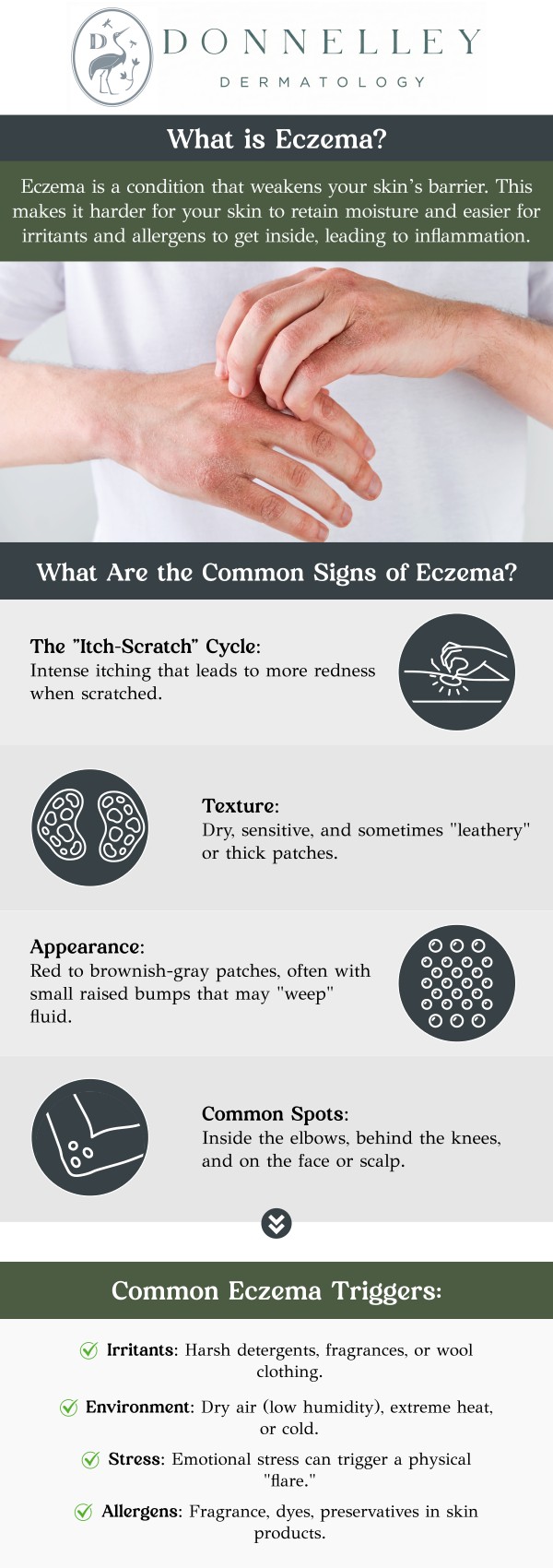
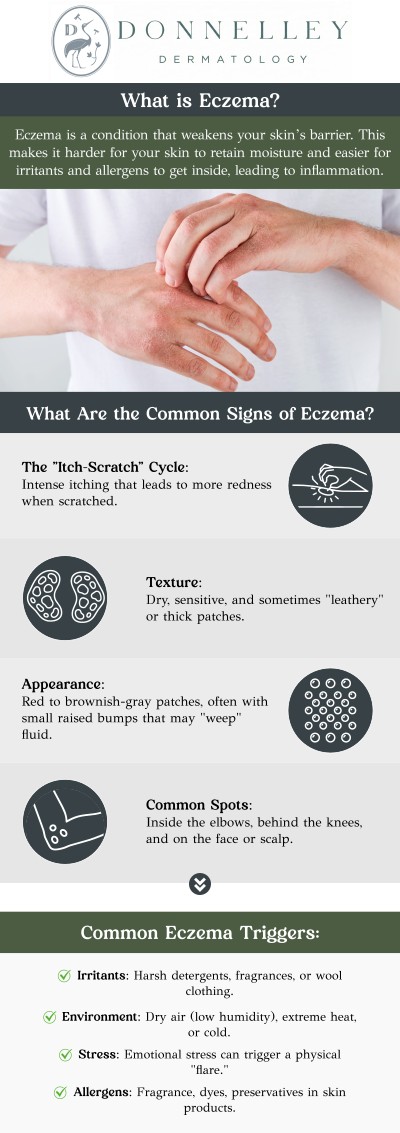
Table of Contents:
What is Eczema?
What Are the Different Types of Eczema?
What Are the Causes of Eczema?
What Are the Signs and Symptoms of Eczema?
What Are the Risk Factors of Eczema?
How Is Eczema Diagnosed?
What Are Possible Treatments for Eczema?
Are There Preventative Steps or Measures to Avoid Eczema?
What Are the Risks if Eczema Is Left Untreated?
Are There Other Related Conditions to Eczema?
Eczema is a prevalent condition characterized by inflamed, itchy, and dry skin, often accompanied by rashes, scaly patches, blisters, or discoloration. It affects over 30 million Americans and can manifest at any age, though it’s most common in children and adolescents. Eczema can range from mild to severe and tends to recur periodically as a chronic condition.
Different types of eczema include:
• Atopic Dermatitis: This is the most common type, often seen in children and improving with age. People with this type may also have asthma, hives or hay fever and other allergies.
• Contact Dermatitis: It happens when your skin reacts to something it touches, like certain creams, metals, or cleaning products.
• Dyshidrotic Eczema: Also called pompholyx, it causes blisters on the hands, palms, and sometimes feet. Allergies, stress, or fungal infections can trigger it.
• Hand & Foot Eczema: Eczema may appear only on the hands or feet due to allergies or infections. It can be linked to other types of eczema.
• Neurodermatitis: When patients scratch due to chronic itch or even as a habit, or they experience chronic rubbing in an area, they can develop thick, scaly patches on the skin and even nodules. Typically, there is an underlying skin disease like eczema or psoriasis.
• Stasis Dermatitis: Poor circulation in the legs can cause fluid buildup and red, scaly skin, often accompanied by varicose veins.
• Nummular Eczema: This type forms small, round patches on the skin, possibly due to allergies, insect bites, or dry skin. It’s more likely to affect those already with eczema.
Eczema is an immune-mediated disease that can stem from various factors, unique to each individual. Genetics can contribute, especially when the skin struggles to retain enough moisture. While it’s not contagious, environmental influences matter too. Allergies or immune reactions often trigger eczema, and stress can worsen flare-ups. Living in dry climates or having a job with frequent exposure to harsh chemicals increases the likelihood of developing eczema.
Symptoms of eczema can vary widely depending on the type and severity. Common signs include:
• Dry skin
• Scaly patches
• Rashes
• Redness
• Itching
• Irritation
• Inflammation
• Cracking and bleeding of the skin
While the exact causes of eczema are not always clear-cut, several factors can increase your risk. Genetics play a significant role; if eczema runs in your family, you’re more prone to developing various types of it. Environmental triggers, such as cold, dry climates or allergies, can also heighten your risk. Additionally, experiencing severe emotional stress can make outbreaks more likely.
Typically, a dermatologist can diagnose eczema through a physical examination of the skin. Occasionally, a skin biopsy might be necessary. This involves taking a small sample of skin for testing to identify the exact cause of the rash.
The treatment approach for eczema varies based on its nature and underlying cause. Common treatments may involve using moisturizing creams, topical corticosteroids, or medications that regulate the body’s immune response. Avoiding known irritants or allergens can also be recommended. Phototherapy, or light therapy, might be beneficial for eczema that doesn’t respond to topical treatments. In severe instances, systemic therapy including biologics like Dupixent may be required to control the immune response responsible for eczema flare-ups.
While it’s not possible to avoid all causes of eczema, there are effective preventive measures you can take. These include regular moisturizing, reducing the duration of baths and showers, and steering clear of known chemical or allergy triggers. Maintaining a healthy diet and staying physically active can also be beneficial. Additionally, it’s important to refrain from scratching rashes to prevent infection and other complications.
Without proper treatment, eczema can result in persistent itching, redness, inflammation, and irritation. Beyond discomfort and appearance concerns, this can elevate the risk of infection due to scratching or skin cracking.
Atopic dermatitis often shares connections with various other types of eczema such as irritant or allergic contact dermatitis. Patients with eczema are more likely to have or develop allergies, hives and asthma. For more information, contact us or schedule an appointment online. We are conveniently located at 1075 Park Ave , #1C, New York, NY, 10128. We serve patients from New York NY, Bronx NY, Brooklyn NY, Manhattan NY, Harlem NY, and surrounding areas.

Check Out Our 5 Star Reviews


ADDITIONAL SERVICES YOU MAY NEED
▸ Acne Treatment
▸ Birthmarks
▸ Eczema
▸ Warts
▸ Molluscum Contagiosum
▸ Viral Rashes
▸ Drug-Induced Rashes
▸ Rashes Treatment
▸ Seborrheic Dermatitis
▸ Fungal Infections
▸ Hives
▸ Dysport
▸ Fillers
▸ Fine Lines & Wrinkles
▸ Facial Volume
▸ Microneedling
▸ Fraxel Laser
▸ Intense Pulsed Light (IPL)
▸ Venous Stasis Dermatitis
▸ Pigmentation Treatment
▸ Melasma Treatment
▸ Dark Spots
▸ Freckles and Lentigines
▸ Cyst Excisions
▸ Mole Removal
▸ Skin Tags
▸ Skin Cancer Screening
▸ Basal Cell Carcinoma (BCC)
▸ Squamous Cell Carcinoma (SCC)
▸ Melanoma
▸ General Dermatology
▸ Psoriasis
▸ Rosacea
▸ Herpes Infections
▸ Shingles
▸ Hair Loss
▸ Dry Skin
▸ Seborrheic Keratoses

ADDITIONAL SERVICES YOU MAY NEED
▸ Acne Treatment
▸ Birthmarks
▸ Eczema
▸ Warts
▸ Molluscum Contagiosum
▸ Viral Rashes
▸ Drug-Induced Rashes
▸ Rashes Treatment
▸ Seborrheic Dermatitis
▸ Fungal Infections
▸ Hives
▸ Dysport
▸ Fillers
▸ Fine Lines & Wrinkles
▸ Facial Volume
▸ Microneedling
▸ Fraxel Laser
▸ Intense Pulsed Light (IPL)
▸ Pigmentation Treatment
▸ Melasma Treatment
▸ Dark Spots
▸ Freckles and Lentigines
▸ Cyst Excisions
▸ Mole Removal
▸ Skin Tags
▸ Skin Cancer Screening
▸ Basal Cell Carcinoma (BCC)
▸ Squamous Cell Carcinoma (SCC)
▸ Melanoma
▸ General Dermatology
▸ Psoriasis
▸ Rosacea
▸ Herpes Infections
▸ Shingles
▸ Hair Loss
▸ Dry Skin
▸ Seborrheic Keratoses
▸ Venous Stasis Dermatitis



 Send Text
 How May I Help You?