


Where Can You Find a Trusted Hair Loss Specialist in New York, NY?
Hair loss can result from factors like genetics, stress, or hormonal changes. Dr. Naomi Donnelley, MD, FAAD, a board-certified dermatologist, provides personalized treatments to slow or reverse hair loss. The diagnostic process involves a thorough evaluation to determine the type of hair loss, using techniques like scalp biopsies or a “pull test.” Based on the findings, Dr. Donnelley creates a tailored treatment plan which may include topical solutions or oral medications. Early intervention helps prevent permanent damage and restores confidence by effectively managing the condition. For more information, contact us or schedule an appointment online. We are conveniently located at 1075 Park Ave , #1C, New York, NY, 10128.
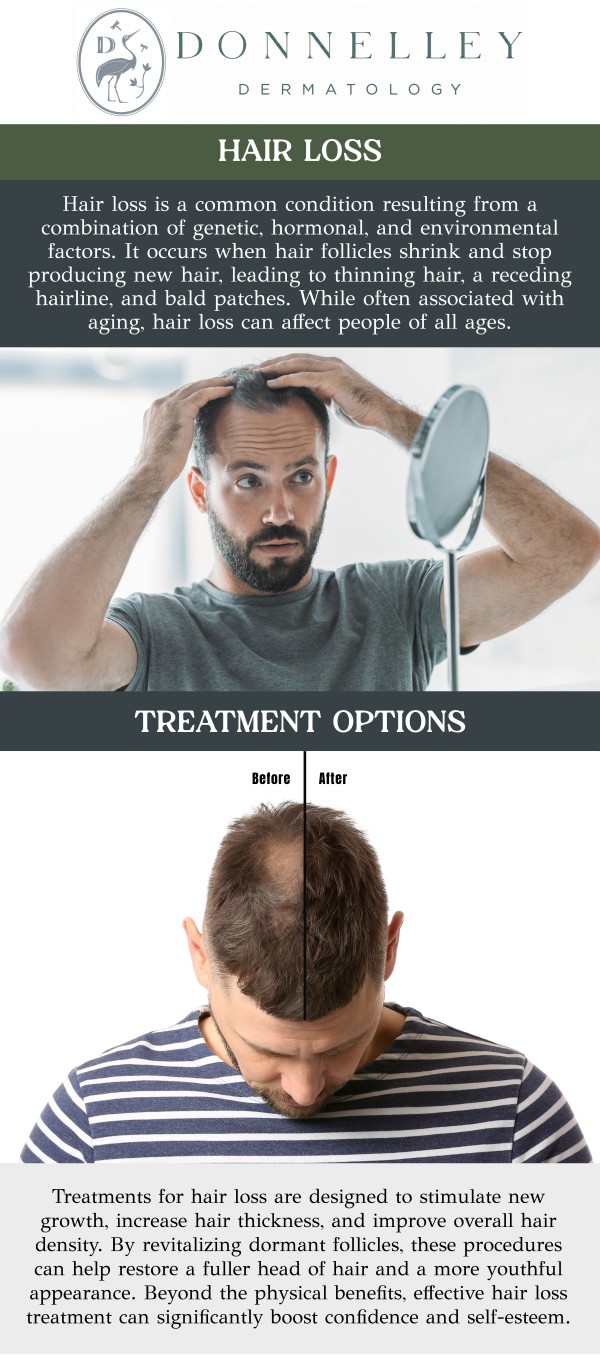

Table of Contents:
What is Hair Loss?
What Are The Different Types of Hair Loss?
What Are The Causes of Hair Loss?
What Are The Signs And Symptoms of Hair Loss?
What Are The Risk Factors of Hair Loss?
How is Hair Loss Diagnosed?
What are possible treatments for Hair Loss?
Are There Preventative Steps or Measures To Avoid Hair Loss?
What Are The Risks If Hair Loss Is Left Untreated?
Are There Other Related Conditions To Hair Loss?
Hair loss, also known as alopecia, refers to the condition where hair begins to thin or fall out from certain parts of the body, particularly the scalp. This can occur gradually over time or suddenly and may affect just the scalp or other areas of the body as well.
Hair loss can manifest in various forms, including:
• Androgenetic Alopecia (Male/Female Pattern Baldness): This is the most common type of hair loss, characterized by a gradual thinning of hair on the scalp in a specific pattern. In men, it typically starts with a receding hairline and balding at the crown, while in women, hair loss is more diffuse and may lead to overall thinning.
• Alopecia Areata: This is an autoimmune condition where the immune system attacks hair follicles, leading to sudden hair loss in small, round patches on the scalp or other parts of the body.
• Telogen Effluvium: This type of hair loss occurs when there is a disruption in the hair growth cycle, causing a significant amount of hair to enter the resting (telogen) phase prematurely and fall out. It can be triggered by stress, illness, surgery, hormonal changes, or certain medications.
• Traction Alopecia: This results from repeated pulling or tension on the hair follicles, often due to tight hairstyles like braids, ponytails, or extensions. Over time, this can lead to hair breakage and loss, particularly along the hairline.
• Anagen Effluvium: This type of hair loss occurs when the hair follicles stop growing hair due to damage from factors such as chemotherapy, radiation therapy, or exposure to toxins.
• Scarring Alopecia: Also known as cicatricial alopecia, this involves the destruction of hair follicles and replacement with scar tissue, resulting in permanent hair loss. It can be caused by inflammatory skin conditions, infections, or autoimmune diseases.
These are some of the most common types of hair loss, each with its own causes, symptoms, and treatment approaches.
Hair loss can happen for different reasons, like genetics, hormone changes, medical conditions, medications, stress, not getting enough nutrients, certain hairstyles or treatments, getting older, and exposure to things like pollution or the sun.
The signs and symptoms of hair loss can vary depending on the underlying cause and type of hair loss. Common signs and symptoms include:
• Gradual thinning of hair on the scalp, especially in men with male pattern baldness or women with female pattern hair loss.
• Sudden loss of hair in round patches, often accompanied by itching or tingling sensations, characteristic of alopecia areata.
• Noticeable hair shedding during brushing, showering, or on pillows and clothing, which may indicate telogen effluvium.
• Formation of bald spots or patches on the scalp or other areas of the body, such as eyebrows or eyelashes.
• Hair breakage, particularly along the hairline or due to excessive pulling from tight hairstyles.
• Changes in hair texture, such as becoming brittle, dry, or more fragile.
• Scalp irritation, redness, or flaking, which may accompany certain scalp conditions or infections.
• Receding hairline or hair loss at the crown of the head, typical of male pattern baldness.
• Thinning of hair on the entire scalp, rather than in specific areas, often seen in female pattern hair loss.
• Visible signs of scarring or inflammation on the scalp, indicating scarring alopecia.
It’s important to note that some types of hair loss may not cause any symptoms initially and can progress gradually over time. If you notice any changes in your hair density, texture, or overall appearance, it’s advisable to consult with a dermatologist for proper evaluation and diagnosis.
Many things can increase your chances of losing hair. These include having family members who’ve experienced hair loss, getting older, being male (since men are more likely to lose hair in certain ways), changes in hormones due to things like pregnancy, thyroid issues, menopause, certain health problems like autoimmune diseases or infections, taking medications like those for cancer or blood thinners, feeling stressed, hairstyles or treatments that pull on your hair, not getting enough of certain nutrients, smoking, and being around things like pollution or too much sun. Recognizing these factors can help you understand if you might be at risk for hair loss.
Hair loss is diagnosed by a dermatologist through a thorough examination of your scalp and hair, considering factors like family history, recent illnesses or surgeries, medications, and stress levels. They may gently pull on your hair to assess how many hairs are being shed, and in some cases, they might take a small sample of your scalp for microscopic examination (scalp biopsy) to determine the cause of hair loss. Blood tests may also be ordered to check for underlying medical conditions or nutritional deficiencies that could contribute to hair loss. Based on these assessments, the dermatologist will make a diagnosis and develop a personalized treatment plan for you.
Hair loss can be distressing, but there are several effective treatments available. One common approach is medication, which can help stimulate hair growth or prevent further loss. Another option is low-level laser therapy (LLLT), which utilizes safe laser light to stimulate hair follicles and promote growth. Medications are often just as effective if not more effective. For more severe cases, hair transplant surgery may be recommended, where hair follicles are transplanted from one area of the scalp to another. Additionally, lifestyle changes and addressing underlying medical conditions can also play a role in managing hair loss. Consulting with a dermatologist can help determine the most suitable treatment plan tailored to individual needs.
Taking care of your overall health by eating a balanced diet, managing stress, and staying active can support hair health. Be gentle with your hair by avoiding harsh treatments and hairstyles that pull on the hair. Protect your hair from the sun and pollution by wearing hats and rinsing after swimming. Regular scalp massages can improve blood circulation and promote hair growth. Avoid smoking, as it can contribute to hair loss and premature graying.
Leaving hair loss untreated can lead to lower self-esteem and confidence, potentially worsening hair thinning or balding over time. It may also result in psychological effects like increased stress and anxiety. In some cases, untreated hair loss can cause permanent damage to hair follicles, leading to irreversible hair loss in affected areas. It can impact relationships and social life, as well as potentially indicate underlying health conditions that require attention. Starting treatment early can lead to better outcomes and mitigate these risks.
Hair loss can be associated with various conditions such as scalp psoriasis, seborrheic dermatitis (dandruff), thyroid and other hormonal imbalances, auto-immune diseases and nutritional deficiencies. Medications, stress, and genetic factors can also contribute to hair loss. Understanding these related conditions is crucial for proper diagnosis and management. For more information, contact us or schedule an appointment online. We are conveniently located at 1075 Park Ave , #1C, New York, NY, 10128. We serve patients from New York NY, Bronx NY, Brooklyn NY, Manhattan NY, Harlem NY, and surrounding areas.

Check Out Our 5 Star Reviews


ADDITIONAL SERVICES YOU MAY NEED
▸ Acne Treatment
▸ Birthmarks
▸ Eczema
▸ Warts
▸ Molluscum Contagiosum
▸ Viral Rashes
▸ Drug-Induced Rashes
▸ Rashes Treatment
▸ Seborrheic Dermatitis
▸ Fungal Infections
▸ Hives
▸ Dysport
▸ Fillers
▸ Fine Lines & Wrinkles
▸ Facial Volume
▸ Microneedling
▸ Fraxel Laser
▸ Intense Pulsed Light (IPL)
▸ Venous Stasis Dermatitis
▸ Pigmentation Treatment
▸ Melasma Treatment
▸ Dark Spots
▸ Freckles and Lentigines
▸ Cyst Excisions
▸ Mole Removal
▸ Skin Tags
▸ Skin Cancer Screening
▸ Basal Cell Carcinoma (BCC)
▸ Squamous Cell Carcinoma (SCC)
▸ Melanoma
▸ General Dermatology
▸ Psoriasis
▸ Rosacea
▸ Herpes Infections
▸ Shingles
▸ Hair Loss
▸ Dry Skin
▸ Seborrheic Keratoses

ADDITIONAL SERVICES YOU MAY NEED
▸ Acne Treatment
▸ Birthmarks
▸ Eczema
▸ Warts
▸ Molluscum Contagiosum
▸ Viral Rashes
▸ Drug-Induced Rashes
▸ Rashes Treatment
▸ Seborrheic Dermatitis
▸ Fungal Infections
▸ Hives
▸ Dysport
▸ Fillers
▸ Fine Lines & Wrinkles
▸ Facial Volume
▸ Microneedling
▸ Fraxel Laser
▸ Intense Pulsed Light (IPL)
▸ Pigmentation Treatment
▸ Melasma Treatment
▸ Dark Spots
▸ Freckles and Lentigines
▸ Cyst Excisions
▸ Mole Removal
▸ Skin Tags
▸ Skin Cancer Screening
▸ Basal Cell Carcinoma (BCC)
▸ Squamous Cell Carcinoma (SCC)
▸ Melanoma
▸ General Dermatology
▸ Psoriasis
▸ Rosacea
▸ Herpes Infections
▸ Shingles
▸ Hair Loss
▸ Dry Skin
▸ Seborrheic Keratoses
▸ Venous Stasis Dermatitis



 Send Text
 How May I Help You?