


Who Offers Effective Melasma Treatments in New York, NY?
Melasma is a common skin condition characterized by dark, irregular patches on the face, often triggered by sun exposure, hormonal changes, or genetics. It typically affects areas like the cheeks, forehead, and upper lip, making the skin appear uneven. At Donnelley Dermatology in New York, NY, Dr. Naomi S. Donnelley, MD, FAAD, a board-certified dermatologist, offers personalized treatment options to effectively lighten these dark spots. With the right approach, melasma can be managed, restoring a more even and radiant complexion. For more information, contact us or schedule an appointment online. We are conveniently located at 1075 Park Ave , #1C, New York, NY, 10128.
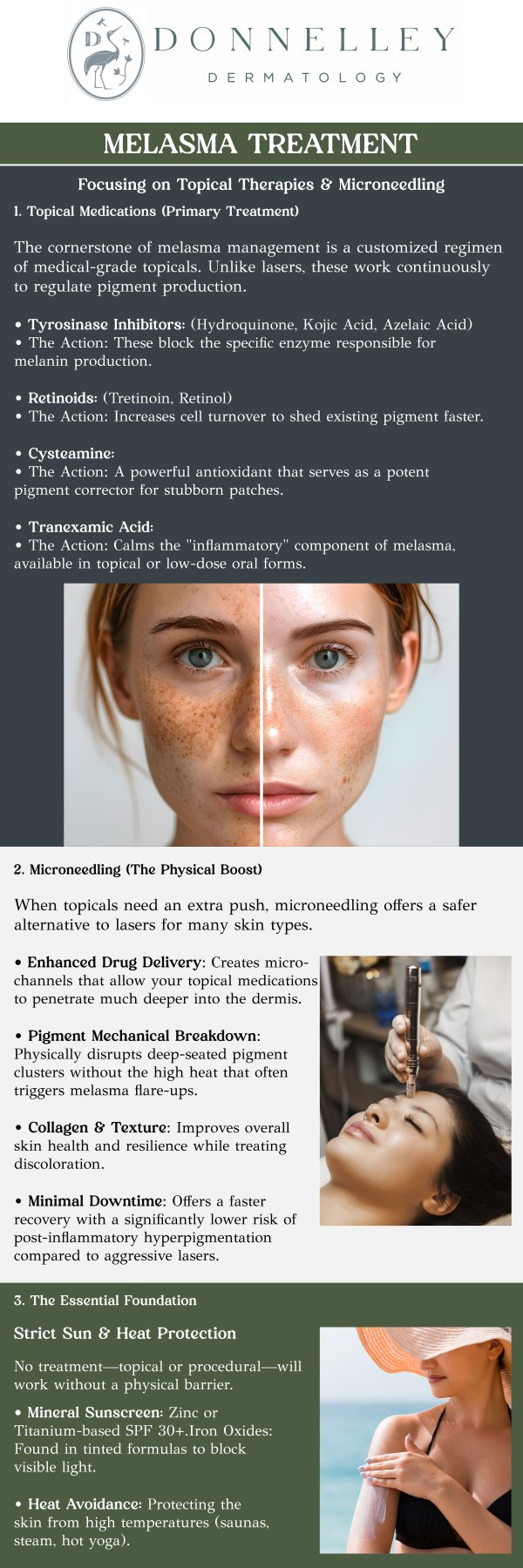
Table of Contents:
What is melasma, and how does it differ from other skin pigmentation issues?
What causes melasma?
What are the symptoms of melasma?
How long does it take to see results from melasma treatment?
Where can I find specialists for melasma treatments in New York, NY?
How Can Dr. Naomi Donnelley’s Personalized Melasma Treatments in New York, NY Improve Skin Tone?
Melasma is a skin condition characterized by brown or gray-brown patches on the face, most commonly appearing on the cheeks, forehead, upper lip, and chin. Unlike other pigmentation issues, such as sunspots or freckles, melasma tends to appear in larger, more diffuse patches that are often symmetrical on both sides of the face. It is primarily caused by an overproduction of melanin in response to triggers like sun exposure, hormonal changes, and genetics. This makes melasma different from other pigmentation issues that may arise due to aging, sun exposure, or skin trauma, such as post-inflammatory hyperpigmentation (PIH), which typically fades over time.
What sets melasma apart is its resilience and tendency to recur, especially with continued sun exposure or hormonal fluctuations, making it more persistent than other types of pigmentation. Unlike sunspots, which often appear as isolated spots, melasma forms larger patches and tends to be more challenging to treat with over-the-counter products. Professional treatment options are often required for effective management.
At Donnelley Dermatology in New York, NY, Dr. Naomi S. Donnelley, MD, FAAD, a board-certified dermatologist, uses advanced treatments to target melasma’s underlying causes and address both superficial and deep pigment layers. Her comprehensive approach ensures that melasma is treated with the most effective, customized care.
Melasma is primarily caused by a combination of sun exposure, hormonal changes, and genetics. The most significant trigger is UV light, which stimulates melanocytes, the pigment-producing cells in the skin, leading to the overproduction of melanin. This results in the characteristic brown patches, particularly on areas that are regularly exposed to the sun. Pregnancy, birth control pills, and hormone replacement therapy (HRT) are common hormonal factors that can trigger or worsen melasma, often referred to as the “mask of pregnancy” when it occurs during pregnancy.
Genetics also plays a key role, as individuals with a family history of melasma are more likely to develop it themselves. People with darker skin tones, such as those with medium to deep skin tones, are more susceptible to melasma because their melanocytes are naturally more active, making them more prone to producing excess pigment.
Additional factors that contribute to melasma include heat (not just sunlight) and certain cosmetic products or medications that increase skin sensitivity to sunlight. Visible light exposure, such as that from electronic devices, can also contribute to worsening melasma.
At Donnelley Dermatology, Dr. Naomi S. Donnelley, MD, FAAD, offers personalized treatments to address melasma’s underlying causes. With a combination of light-based treatments, topical prescriptions, and lifestyle modifications, Dr. Donnelley helps patients manage their melasma effectively and restore an even skin tone.
The primary symptom of melasma is the presence of dark, irregularly shaped patches of brown or gray-brown pigmentation on the skin. These patches often appear on areas that are exposed to the sun, such as the cheeks, forehead, upper lip, chin, and nose. Unlike other pigmentation conditions, melasma tends to be symmetrical, meaning the patches appear on both sides of the face, creating a more even distribution of discoloration.
The color of these patches can vary from light to dark brown, and they are often flat with well-defined edges. While melasma itself does not typically cause discomfort or pain, it can be a source of cosmetic concern for many individuals, leading to a feeling of self-consciousness or dissatisfaction with their appearance.
Melasma does not cause symptoms like itching, swelling, or irritation, which can differentiate it from other skin conditions like eczema or contact dermatitis. However, sun exposure and hormonal changes can trigger melasma or cause it to worsen, leading to darker patches or new spots appearing over time.
At Donnelley Dermatology, Dr. Naomi S. Donnelley, MD, FAAD, provides a comprehensive evaluation to diagnose melasma and determine the best course of treatment. Whether you’re dealing with stubborn pigmentation or seeking to prevent further discoloration, Dr. Donnelley offers customized care that targets both the causes and visible effects of melasma.
The timeline for seeing results from melasma treatment can vary depending on the severity of the condition and the type of treatment used. While some patients may see noticeable improvements within 4 to 6 weeks, it typically takes 3 to 6 months of consistent treatment to achieve significant, long-lasting results. Melasma is a persistent condition, and it often requires a multifaceted approach to manage effectively.
Topical treatments can begin to lighten the dark patches in a few weeks, but full results may not be seen until the treatment has had time to work deeply within the skin. For laser treatments, patients may notice a gradual improvement in pigmentation within 1 to 2 sessions, though multiple treatments may be necessary to achieve the desired results. Dr. Naomi S. Donnelley, MD, FAAD, uses advanced laser technology to address melasma on both superficial and deeper levels, which accelerates the fading process and prevents the recurrence of pigmentation.
It’s essential to note that melasma is often a chronic condition, meaning treatment might need to be ongoing to maintain results. Sun protection is crucial during and after treatment, as exposure to UV light is a significant trigger for melasma. By following Dr. Donnelley’s treatment plan and lifestyle recommendations, you can maximize your results and prevent melasma from returning.
If you’re looking for specialists in melasma treatment in New York, NY, it’s important to choose a dermatologist with experience in treating complex pigmentation disorders. At Donnelley Dermatology, Dr. Naomi S. Donnelley, MD, FAAD, is a board-certified dermatologist who specializes in diagnosing and treating melasma. With her extensive experience and expertise in cosmetic dermatology, Dr. Donnelley provides personalized care to help you manage melasma and achieve a more even skin tone. Her approach is tailored to each patient’s unique skin type and the underlying causes of their pigmentation issues. Whether you’re dealing with mild melasma or more persistent discoloration, Dr. Donnelley offers comprehensive treatment options designed to reduce pigmentation and improve the overall health of your skin.
Donnelley Dermatology in New York, NY, is an ideal destination for anyone seeking professional help with melasma. With a focus on both aesthetic outcomes and skin health, Dr. Donnelley’s treatments are designed to offer lasting results and address the root causes of pigmentation. Whether you’re looking to lighten existing dark spots or prevent new ones from forming, Dr. Donnelley’s expertise provides the care and results you need.
Dr. Naomi S. Donnelley, MD, FAAD, a board-certified dermatologist at Donnelley Dermatology in New York, NY, offers personalized melasma treatments designed to target and reduce the appearance of dark spots, restoring a more even skin tone. Melasma is a complex skin condition often triggered by sun exposure, hormonal changes, or genetics, which results in brown or gray patches on the face. Dr. Donnelley takes a customized approach to treat melasma by combining advanced therapies such as medical-grade topical treatments and laser treatments. However, laser is only suitable for certain patients, not all. She typically starts with topical treatments and strict sun precautions, before moving forward. These methods work to lighten hyperpigmentation and prevent recurrence, helping patients achieve clearer, more balanced skin.
With her extensive experience in treating melasma, Dr. Donnelley ensures that each treatment plan addresses the unique factors contributing to the condition. Whether through topical prescriptions or laser therapies to break down deep pigment, Dr. Donnelley tailors each approach to your skin type and concerns. Her focus on both preventing further pigmentation and restoring healthy skin ensures long-lasting results, while her guidance on sun protection helps prevent future flare-ups. By personalizing the treatment and combining multiple modalities, Dr. Donnelley’s approach offers patients in New York the opportunity to achieve a more uniform, radiant complexion. For more information, contact us or schedule an appointment online. We are conveniently located at 1075 Park Ave , #1C, New York, NY, 10128. We serve patients from New York NY, Bronx NY, Brooklyn NY, Manhattan NY, Harlem NY, and surrounding areas.

Check Out Our 5 Star Reviews


ADDITIONAL SERVICES YOU MAY NEED
▸ Acne Treatment
▸ Birthmarks
▸ Eczema
▸ Warts
▸ Molluscum Contagiosum
▸ Viral Rashes
▸ Drug-Induced Rashes
▸ Rashes Treatment
▸ Seborrheic Dermatitis
▸ Fungal Infections
▸ Hives
▸ Dysport
▸ Fillers
▸ Fine Lines & Wrinkles
▸ Facial Volume
▸ Microneedling
▸ Fraxel Laser
▸ Intense Pulsed Light (IPL)
▸ Venous Stasis Dermatitis
▸ Pigmentation Treatment
▸ Melasma Treatment
▸ Dark Spots
▸ Freckles and Lentigines
▸ Cyst Excisions
▸ Mole Removal
▸ Skin Tags
▸ Skin Cancer Screening
▸ Basal Cell Carcinoma (BCC)
▸ Squamous Cell Carcinoma (SCC)
▸ Melanoma
▸ General Dermatology
▸ Psoriasis
▸ Rosacea
▸ Herpes Infections
▸ Shingles
▸ Hair Loss
▸ Dry Skin
▸ Seborrheic Keratoses

ADDITIONAL SERVICES YOU MAY NEED
▸ Acne Treatment
▸ Birthmarks
▸ Eczema
▸ Warts
▸ Molluscum Contagiosum
▸ Viral Rashes
▸ Drug-Induced Rashes
▸ Rashes Treatment
▸ Seborrheic Dermatitis
▸ Fungal Infections
▸ Hives
▸ Dysport
▸ Fillers
▸ Fine Lines & Wrinkles
▸ Facial Volume
▸ Microneedling
▸ Fraxel Laser
▸ Intense Pulsed Light (IPL)
▸ Pigmentation Treatment
▸ Melasma Treatment
▸ Dark Spots
▸ Freckles and Lentigines
▸ Cyst Excisions
▸ Mole Removal
▸ Skin Tags
▸ Skin Cancer Screening
▸ Basal Cell Carcinoma (BCC)
▸ Squamous Cell Carcinoma (SCC)
▸ Melanoma
▸ General Dermatology
▸ Psoriasis
▸ Rosacea
▸ Herpes Infections
▸ Shingles
▸ Hair Loss
▸ Dry Skin
▸ Seborrheic Keratoses
▸ Venous Stasis Dermatitis



 Send Text
 How May I Help You?