


Who Offers Treatment for Rashes in New York, NY?
Rashes are common skin irritations that can be caused by various factors, including allergies, infections, or skin conditions like eczema. Symptoms typically include redness, itching, and swelling, with the appearance varying depending on the cause. Dr. Naomi S. Donnelley, a board-certified dermatologist at Donnelley Dermatology, PLLC, can provide proper diagnosis and treatment for rashes. For more information, contact us or schedule an appointment online. We are conveniently located at 1075 Park Ave , #1C, New York, NY, 10128.
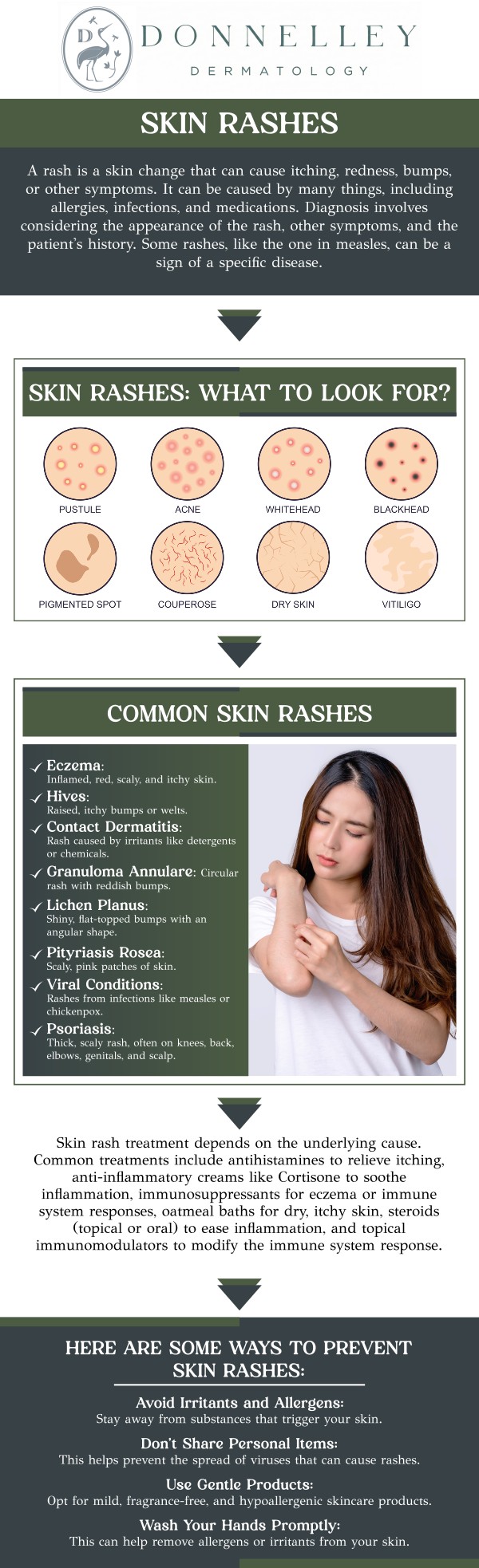
Table of Contents:
What is a Rash?
What Are the Causes of Rashes?
What Are the Signs and Symptoms of Rashes?
What Are the Risk Factors of Rashes?
How Are Rashes Diagnosed?
What Are Possible Treatments for Rashes?
Are There Preventative Steps or Measures to Avoid Rashes?
What Are the Risks if Rashes Are Left Untreated?
A rash is a change in the skin’s appearance, which can involve redness, itching, swelling, blistering, or other abnormalities.
Rashes can have numerous causes, including:
Allergic reactions: These can occur in response to certain foods, medications, insect stings, or contact with allergens like latex or certain plants.
• Infections: Rashes can result from various infections, including viral (such as measles or chickenpox), bacterial (such as impetigo), fungal (such as ringworm), or parasitic (such as scabies or lice infestation).
• Skin irritants: Exposure to substances like harsh chemicals, soaps, detergents, or cosmetics can lead to irritant contact dermatitis, causing a rash.
• Autoimmune disorders: Conditions like lupus or psoriasis can cause chronic rashes due to the body’s immune system attacking its own tissues.
• Eczema: a very common condition which is mediated by your body’s immune system. Patients often have a history of allergies, hives and/or asthma.
• Heat or friction: Excessive sweating, tight clothing, or friction against the skin can lead to heat rash or frictional dermatitis.
• Insect bites or stings: Reactions to bites or stings from insects like mosquitoes, bees, or ticks can cause localized or widespread rashes.
• Drug reactions: Certain medications can cause adverse reactions, including rashes, such as antibiotics, anticonvulsants, or nonsteroidal anti-inflammatory drugs (NSAIDs).
Stress or emotional factors: Psychological stress or emotional disturbances can exacerbate certain skin conditions, leading to rashes.
Identifying the specific cause of a rash often requires medical evaluation by a dermatologist.
Rashes can manifest with various signs and symptoms. These may include redness or discoloration of the skin, itching, swelling, blistering, dryness, scaling, or the presence of bumps or raised areas. Some rashes may be localized to specific areas of the body, while others can spread and affect larger areas. Additionally, rashes can be accompanied by other symptoms such as pain, tenderness, warmth, or a burning sensation. The appearance and severity of the rash can vary depending on the underlying cause and individual factors.
Several factors can increase the risk of developing rashes:
• Allergies: Individuals with a history of allergies, such as hay fever or allergic reactions to certain foods, medications, or environmental triggers, are more susceptible to developing allergic skin rashes and eczema.
• Skin Sensitivity: Some people have naturally sensitive skin, making them more prone to developing rashes in response to various triggers, including irritants, allergens, or changes in weather or environment.
• Age: Certain types of rashes, such as diaper rash or heat rash, are more common in infants and young children due to their delicate skin and limited ability to regulate body temperature.
• Medical Conditions: Underlying medical conditions, such as autoimmune disorders (e.g. lupus, thyroid disorders,scleroderma, etc.), diabetes, or HIV/AIDS, can increase the risk of developing rashes as a result of impaired immune function or other related factors.
• Medications: Some medications, including antibiotics, anticonvulsants, NSAIDs, or chemotherapy drugs, can cause adverse reactions leading to rashes in susceptible individuals.
• Exposure to Irritants: Regular exposure to irritants such as harsh chemicals, soaps, detergents, or certain fabrics can irritate the skin and contribute to the development of rashes.
• Occupational Hazards: Certain occupations that involve frequent exposure to chemicals, solvents, or other skin irritants may increase the risk of occupational dermatitis and other work-related rashes.
• Family History: A family history of skin conditions or allergies may predispose individuals to certain types of rashes, suggesting a genetic component to their susceptibility.
Identifying and minimizing exposure to known risk factors can help reduce the likelihood of developing rashes.
Rashes are diagnosed through a combination of medical history review, physical examination, and, if necessary, additional tests. During the appointment, DR. Donnelley will inquire about the onset, duration, and characteristics of the rash, as well as any accompanying symptoms or potential triggers. She will perform a thorough examination of the affected skin, noting the rash’s appearance, distribution, and any associated signs like itching or pain. In some cases, diagnostic tests such as skin biopsies, blood tests, patch testing may be performed or ordered to determine the underlying cause of the rash.
Treatment for rashes depends on the underlying cause and severity of the condition. In many cases, over-the-counter remedies such as antihistamines, moisturizers, or topical corticosteroids can provide relief from itching and inflammation. Avoiding known triggers and practicing good skincare habits, such as gentle cleansing and moisturizing, may also help manage rashes effectively. In many cases, prescription medications like topical steroids, oral corticosteroids, immunosuppressants, or antifungal agents may be prescribed. Additionally, treating any underlying medical conditions contributing to the rash, such as allergies, infections, or autoimmune disorders, is essential for comprehensive management.
Avoid things that trigger your rashes, like fragrance, dyes or harsh chemicals. Keep your skin clean and moisturized every day. Wear protective clothing if you’re handling anything that might irritate your skin. Stay cool and dry, especially in hot or humid weather. Try to relax and manage stress, which can make rashes worse. Drink plenty of water and eat healthy foods to keep your skin happy. Shower regularly and wash your hands often to keep germs away. Don’t forget sunscreen when you’re outside to protect your skin from the sun.
Leaving rashes untreated can lead to worsening symptoms, increased risk of infections, scarring, spread to other areas or individuals, complications from underlying conditions, decreased quality of life, and chronic or recurrent issues requiring more intensive treatment. For more information, contact us or schedule an appointment online. We are conveniently located at 1075 Park Ave , #1C, New York, NY, 10128. We serve patients from New York NY, Bronx NY, Brooklyn NY, Manhattan NY, Harlem NY, and surrounding areas.

Check Out Our 5 Star Reviews


ADDITIONAL SERVICES YOU MAY NEED
▸ Acne Treatment
▸ Birthmarks
▸ Eczema
▸ Warts
▸ Molluscum Contagiosum
▸ Viral Rashes
▸ Drug-Induced Rashes
▸ Rashes Treatment
▸ Seborrheic Dermatitis
▸ Fungal Infections
▸ Hives
▸ Dysport
▸ Fillers
▸ Fine Lines & Wrinkles
▸ Facial Volume
▸ Microneedling
▸ Fraxel Laser
▸ Intense Pulsed Light (IPL)
▸ Venous Stasis Dermatitis
▸ Pigmentation Treatment
▸ Melasma Treatment
▸ Dark Spots
▸ Freckles and Lentigines
▸ Cyst Excisions
▸ Mole Removal
▸ Skin Tags
▸ Skin Cancer Screening
▸ Basal Cell Carcinoma (BCC)
▸ Squamous Cell Carcinoma (SCC)
▸ Melanoma
▸ General Dermatology
▸ Psoriasis
▸ Rosacea
▸ Herpes Infections
▸ Shingles
▸ Hair Loss
▸ Dry Skin
▸ Seborrheic Keratoses

ADDITIONAL SERVICES YOU MAY NEED
▸ Acne Treatment
▸ Birthmarks
▸ Eczema
▸ Warts
▸ Molluscum Contagiosum
▸ Viral Rashes
▸ Drug-Induced Rashes
▸ Rashes Treatment
▸ Seborrheic Dermatitis
▸ Fungal Infections
▸ Hives
▸ Dysport
▸ Fillers
▸ Fine Lines & Wrinkles
▸ Facial Volume
▸ Microneedling
▸ Fraxel Laser
▸ Intense Pulsed Light (IPL)
▸ Pigmentation Treatment
▸ Melasma Treatment
▸ Dark Spots
▸ Freckles and Lentigines
▸ Cyst Excisions
▸ Mole Removal
▸ Skin Tags
▸ Skin Cancer Screening
▸ Basal Cell Carcinoma (BCC)
▸ Squamous Cell Carcinoma (SCC)
▸ Melanoma
▸ General Dermatology
▸ Psoriasis
▸ Rosacea
▸ Herpes Infections
▸ Shingles
▸ Hair Loss
▸ Dry Skin
▸ Seborrheic Keratoses
▸ Venous Stasis Dermatitis



 Send Text
 How May I Help You?