


Who Offers Acne Treatment in New York, NY?
Acne is a common skin condition that occurs when hair follicles become clogged with oil and dead skin cells, often leading to whiteheads, blackheads, or inflamed pimples. Left untreated, severe cases can result in permanent scarring and hyperpigmentation, making professional intervention essential for long-term skin health. At Donnelley Dermatology, PLLC in New York, NY, you can receive treatment from Dr. Naomi Donnelley, MD, FAAD, a Yale-educated, board-certified dermatologist and one of America’s top-voted doctors. For more information, contact us or schedule an appointment online. We are conveniently located at 1075 Park Ave , #1C, New York, NY, 10128.
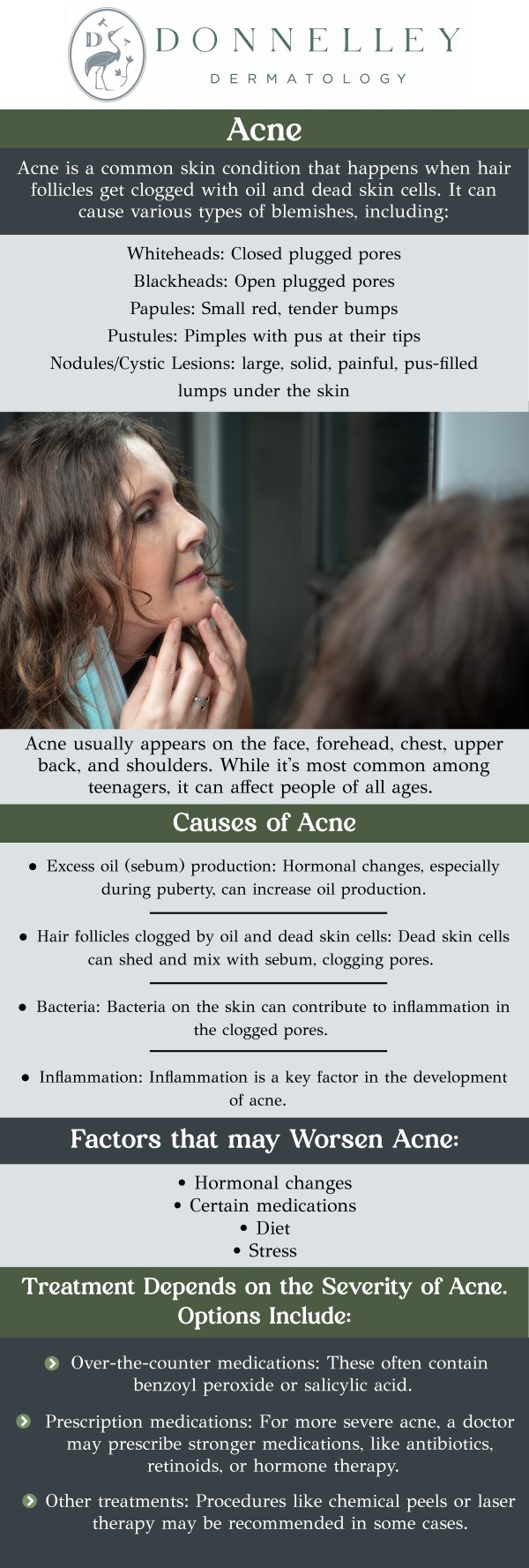
Table of Contents:
What is Acne?
What Are The Causes of Acne?
What Are The Signs And Symptoms of Acne?
What Are The Risk Factors of Acne?
How is Acne Diagnosed?
What Are Possible Treatments For Acne?
Are There Preventative Steps or Measures To Avoid Acne?
What Are The Risks If Acne Is Left Untreated?
Are There Other Related Conditions To Acne?
Key Takeaways About Acne
Recommended Next Steps
Acne is a common skin condition characterized by the presence of pink bumps, pustules, acne cysts, and blackheads and whiteheads, typically appearing on the face, neck, chest, shoulders, and back. It occurs when hair follicles become clogged with oil and dead skin cells. Acne can range from mild to severe and can have significant impacts on self-esteem and quality of life.
Acne is a prevalent skin condition affecting individuals of all ages, but it is particularly common during adolescence due to hormonal changes. It can manifest in various forms, including pimples, cysts, nodules, and blackheads. Effective treatment options are available, tailored to the severity and type of acne present. Addressing acne early can prevent scarring and minimize long-term skin damage.
Several factors contribute to the development of acne, including excess oil production, clogged hair follicles, bacteria, hormonal changes, and inflammation. Hormonal fluctuations during puberty (and in adult years) often play a significant role, leading to increased oil production and the development of acne lesions.
Hormonal changes can stimulate the sebaceous glands to produce more oil. Bacteria, such as Propionibacterium acnes, can aggravate acne by infecting and inflaming clogged pores. Genetics can predispose individuals to acne, making some more susceptible than others. Certain medications and cosmetics may also contribute to acne development.
Signs and symptoms of acne can vary widely, ranging from mild to severe. Common manifestations include pimples, blackheads, whiteheads, cysts, nodules, and inflamed or irritated skin surrounding acne lesions.
Pimples are red, raised bumps often filled with pus. Blackheads are open pores filled with oil and dead skin cells, appearing black or dark. Whiteheads are closed pores containing trapped oil and skin cells, appearing as small, white bumps. Cysts and nodules are large, painful lumps beneath the skin’s surface.
Several factors can increase the risk of developing acne, including hormonal changes, family history, certain medications, high stress levels, and dietary factors (dairy and high glycemic index foods have been linked to acne).
Hormonal changes during puberty, menstruation, pregnancy, menopause and individuals with hormonal disorders like PCOS (Polyscystic Ovarian Syndrome) predispose people to acne. Other risk factors are: a family history of acne, certain medications (such as corticosteroids or androgens), high levels of stress (which produces cortisol, a steroid) and some dietary factors. The impact of diet on acne is still debated among experts.
Diagnosing acne typically involves a thorough examination of the skin by a dermatologist. The dermatologist will assess the type, severity, and distribution of acne lesions to determine an appropriate treatment plan.
Visual inspection of the skin to identify acne lesions, their type, and distribution. Medical history review, including any past treatments for acne and family history of the condition. In some cases, the dermatologist may perform additional tests to rule out underlying hormonal or medical conditions contributing to acne.
Dr. Donnelley is an “acneologist”. She loves treating acne and will work with you and create a tailored regimen to get you clear. Treatment options for acne depend on its severity and type but may include topical treatments, oral medications, procedures like laser therapy, and lifestyle modifications.
Topical treatments, such as retinoids, clindamycin, or antibiotics are typically indicated for mild-moderate acne. More severe acne may require oral medications, including antibiotics (only for small periods of time due to damage to gut flora and development of bacterial resistance), spironolactone (for females), or isotretinoin for severe acne. Procedures like laser therapy may be recommended for resistant or severe cases. Lifestyle modifications, such as proper skincare, dietary changes, and stress management, can also help manage acne.
Teenage Acne
Teenage acne is a common skin condition that often emerges during adolescence due to hormonal changes. Hormonal fluctuations, particularly an increase in oil production, can lead to clogged pores and the development of acne lesions. This condition can manifest in various forms, including pimples, cysts, nodules, and blackheads, and may appear on the face, neck, chest, shoulders, and back. Effective treatment options are available, ranging from topical treatments to oral medications and procedures like laser therapy. Addressing teenage acne early is crucial to prevent scarring and minimize long-term skin damage, as well as to improve self-esteem and quality of life during this formative period. Dr. Donnelley will provide personalized care and management strategies tailored to your teenager’s unique needs and motivation to treat their acne. Schedule an appointment today to start the journey towards clearer, healthier skin.
While acne cannot always be completely prevented, several measures can help reduce its occurrence or severity, including maintaining a consistent skincare routine, avoiding harsh skincare products, using non-comedogenic cosmetics, practicing good hygiene, and managing stress levels.
Maintain a consistent skincare routine, including gentle cleansing and moisturizing. Avoid excessive scrubbing or harsh skincare products that can irritate the skin. Use non-comedogenic or oil-free cosmetics and skincare products. Practice good hygiene, including regular washing of hair and keeping hands away from the face. Manage stress levels through relaxation techniques, exercise, and sufficient sleep.
Leaving acne untreated can lead to various complications, including permanent scarring and skin damage, psychological effects such as low self-esteem and depression, worsening of acne over time, and an increased risk of developing post-inflammatory hyperpigmentation or keloids in some individuals.
Several conditions may be related to or exacerbated by acne, including rosacea, folliculitis, and hidradenitis suppurativa (a severe condition characterized by painful boils, sinus tracts and scarring, typically in body fold areas such as under the arms, under the breasts and in the groin).
• Rosacea: A chronic inflammatory skin condition characterized by facial redness and acne-like lesions.
• Folliculitis: Inflammation of hair follicles, often resulting in red bumps or pustules.
• Hidradenitis suppurativa: A chronic skin condition involving painful, deep-seated nodules or abscesses in areas with sweat glands.
Acne is a common skin condition characterized by pimples, blackheads, and whiteheads. Hormonal changes, excess oil production, bacteria, genetics, and inflammation contribute to acne development. Effective treatments are available, ranging from topical and oral medications to procedures and lifestyle modifications. Early intervention is crucial to prevent scarring and long-term skin damage. Preventative measures, such as proper skincare and stress management, can help reduce acne occurrence and severity.
If you or your teenager is struggling with acne, it’s essential to seek the expertise of a dermatologist for tailored treatment and management strategies. Contact us today to schedule an appointment with our experienced team and take the first step towards clearer, healthier skin. As your trusted teenage dermatologist, we are committed to providing personalized care and empowering you to achieve optimal skin health. For more information, contact us or schedule an appointment online. We are conveniently located at 1075 Park Ave , #1C, New York, NY, 10128. We serve patients from New York NY, Bronx NY, Brooklyn NY, Manhattan NY, Harlem NY, and surrounding areas.

Check Out Our 5 Star Reviews


ADDITIONAL SERVICES YOU MAY NEED
▸ Acne Treatment
▸ Birthmarks
▸ Eczema
▸ Warts
▸ Molluscum Contagiosum
▸ Viral Rashes
▸ Drug-Induced Rashes
▸ Rashes Treatment
▸ Seborrheic Dermatitis
▸ Fungal Infections
▸ Hives
▸ Dysport
▸ Fillers
▸ Fine Lines & Wrinkles
▸ Facial Volume
▸ Microneedling
▸ Fraxel Laser
▸ Intense Pulsed Light (IPL)
▸ Venous Stasis Dermatitis
▸ Pigmentation Treatment
▸ Melasma Treatment
▸ Dark Spots
▸ Freckles and Lentigines
▸ Cyst Excisions
▸ Mole Removal
▸ Skin Tags
▸ Skin Cancer Screening
▸ Basal Cell Carcinoma (BCC)
▸ Squamous Cell Carcinoma (SCC)
▸ Melanoma
▸ General Dermatology
▸ Psoriasis
▸ Rosacea
▸ Herpes Infections
▸ Shingles
▸ Hair Loss
▸ Dry Skin
▸ Seborrheic Keratoses

ADDITIONAL SERVICES YOU MAY NEED
▸ Acne Treatment
▸ Birthmarks
▸ Eczema
▸ Warts
▸ Molluscum Contagiosum
▸ Viral Rashes
▸ Drug-Induced Rashes
▸ Rashes Treatment
▸ Seborrheic Dermatitis
▸ Fungal Infections
▸ Hives
▸ Dysport
▸ Fillers
▸ Fine Lines & Wrinkles
▸ Facial Volume
▸ Microneedling
▸ Fraxel Laser
▸ Intense Pulsed Light (IPL)
▸ Pigmentation Treatment
▸ Melasma Treatment
▸ Dark Spots
▸ Freckles and Lentigines
▸ Cyst Excisions
▸ Mole Removal
▸ Skin Tags
▸ Skin Cancer Screening
▸ Basal Cell Carcinoma (BCC)
▸ Squamous Cell Carcinoma (SCC)
▸ Melanoma
▸ General Dermatology
▸ Psoriasis
▸ Rosacea
▸ Herpes Infections
▸ Shingles
▸ Hair Loss
▸ Dry Skin
▸ Seborrheic Keratoses
▸ Venous Stasis Dermatitis



 Send Text
 How May I Help You?