


Microneedling for Acne Scars: Benefits, Results, and What to Expect
Microneedling is a minimally invasive skin-rejuvenation treatment that creates controlled microchannels in the skin to support natural collagen remodeling and improve the appearance of certain acne scars. Dr. Naomi Donnelley, MD, FAAD at Donnelley Dermatology carefully evaluates each patient before recommending microneedling and customizes treatment depth, session frequency, and aftercare based on the skin’s needs. For more information, contact us or schedule an appointment online. We are conveniently located at 1075 Park Ave, #1C, New York, NY, 10128.

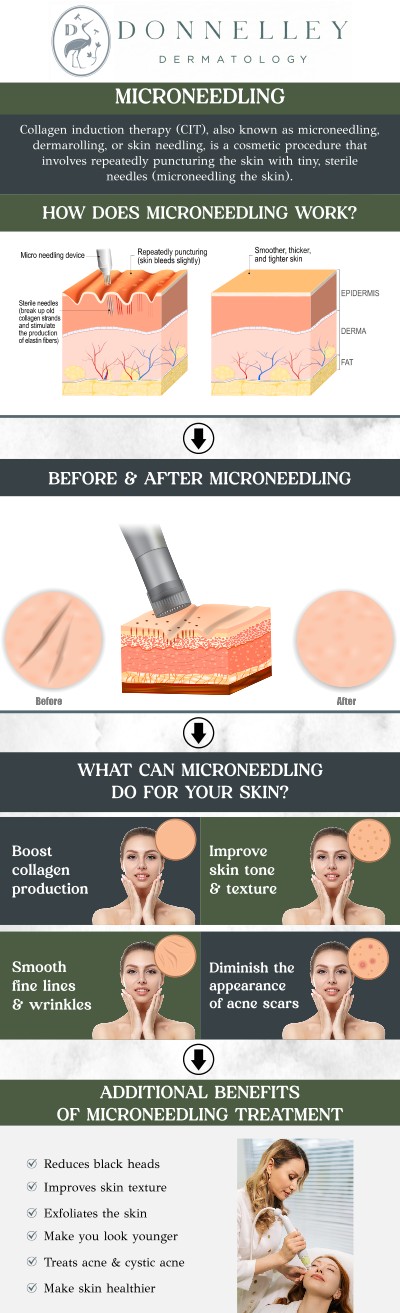
Table of Contents:
How many microneedling sessions are needed for acne scars?
How long does it take to see microneedling results for acne scars?
Does microneedling work for deep or pitted acne scars?
Is microneedling for acne scars suitable for all skin tones?
Why does the AAD recommend avoiding microneedling during active acne breakouts?
AAD Microneedling for Acne Scars: When to See a Dermatologist
How does Dr. Naomi S. Donnelley, a board-certified dermatologist, at Donnelley Dermatology in New York, NY personalize microneedling for acne scars?
The number of microneedling sessions needed for acne scars varies according to the type, depth, and extent of scarring. The American Academy of Dermatology (AAD) notes that people being treated for acne scars may need approximately 3 to 5 microneedling treatments, often spaced about 2 to 4 weeks apart.
Microneedling creates controlled microscopic punctures that stimulate collagen production as the skin heals. Because collagen remodeling happens gradually, a series of treatments may provide more noticeable improvement than a single session. The AAD reports that a 3-to-5-session treatment plan has been associated with a 50% to 70% reduction in the appearance of acne scars in studies.
At Donnelley Dermatology, our team can examine the pattern and severity of your acne scars before recommending an appropriate treatment schedule. Your plan may vary depending on your skin, scar type, previous acne treatments, and whether microneedling should be used alone or alongside another approach.
Microneedling results develop gradually because the procedure relies on the skin’s natural collagen-production and remodeling processes. According to the AAD, some improvement may become noticeable within a few weeks, while full results generally take several months to develop.
Changes may continue after each session as new collagen helps improve skin texture and make acne scars less noticeable. Some individuals require a series of treatments before achieving their optimal improvement, so results should be evaluated over time rather than immediately after the procedure.
At Donnelley Dermatology, our team can monitor your skin throughout treatment and help establish realistic expectations for improvement. The timing of your results may depend on factors such as scar depth, skin response, number of sessions, and the treatment approach selected for your specific scars.
Microneedling may help improve certain depressed or pitted acne scars by stimulating the production of collagen and elastin beneath the skin. As new collagen develops, depressed scars may become less noticeable, and the overall texture of the skin may appear smoother.
However, not every deep acne scar responds in the same way. The AAD emphasizes that effective scar treatment requires identifying the specific scar type because, for example, ice-pick scars and rolling scars may require different approaches. Dermatologists may also combine microneedling with other treatments when a combination is more appropriate for the patient’s scars.
At Donnelley Dermatology, our team can evaluate whether your scars are rolling, boxcar, ice-pick, or another type and determine whether microneedling is appropriate. Deeper or more complex scarring may require a personalized combination approach rather than relying on microneedling alone.
Yes, microneedling can generally be used across different skin tones. The AAD states that microneedling is safe for all skin tones, making it an option that dermatologists may consider for people with lighter and darker complexions who want to reduce the appearance of acne scars.
Proper technique and professional evaluation are still important. When microneedling is performed incorrectly, there can be risks such as infection, scarring, or persistent changes in skin color or texture. The AAD notes that receiving treatment from a board-certified dermatologist can help reduce the likelihood of these complications.
At Donnelley Dermatology, our team considers your skin tone, scar characteristics, medical history, and current skin condition when determining whether microneedling is suitable. A personalized evaluation can also help establish appropriate treatment settings and aftercare to support safe, effective healing.
The AAD advises postponing microneedling when the treatment area contains painful pimples, pus-filled lesions, or pimples that extend deeply into the skin. Microneedling should generally be performed after these active lesions have cleared rather than directly over significant inflammatory acne.
Controlling acne first is also important because ongoing breakouts can lead to continued inflammation and the development of new scars. AAD guidance on acne-scar treatment explains that scar treatment generally begins after active acne has been brought under control and measures are in place to help prevent additional breakouts.
At Donnelley Dermatology, Dr. Naomi Donnelley can evaluate active breakouts before beginning scar-focused procedures. If acne is still active, addressing the breakouts first may help protect the skin, reduce the risk of additional scarring, and create better conditions for future microneedling treatment.
Consider seeing a dermatologist when acne scars remain noticeable, affect your skin texture, or make you interested in professional treatment options. The AAD explains that successful acne-scar treatment begins with an evaluation because different types of scars respond differently to available procedures.
A dermatologist can determine whether microneedling is appropriate by examining your scars, reviewing your health and previous acne treatments, and considering factors such as scar type, skin tone, and active breakouts. The AAD specifically recommends having microneedling performed by a medical doctor with expertise in skin and cosmetic procedures, such as a board-certified dermatologist.
At Donnelley Dermatology, our team can provide a thorough acne-scar evaluation and develop an individualized treatment plan based on your skin’s needs. Professional guidance can help determine whether microneedling alone or a combination of treatments is most appropriate for improving the appearance and texture of your acne scars.
Dr. Naomi Donnelley at Donnelley Dermatology in New York, NY, is a highly experienced, board-certified dermatologist with more than 21 years of post-residency experience in medical, surgical, and cosmetic dermatology. Throughout her career, she has received professional recognition, including Top Doctor honors and inclusion in the Top 100 Registry. She cares for both pediatric and adult patients and is known for providing meticulous, individualized care while building positive, trusting patient relationships.
For microneedling for acne scars, Dr. Donnelley carefully evaluates each patient’s skin type, scar pattern, scar depth, active acne, overall skin health, and cosmetic goals before recommending treatment. At Donnelley Dermatology, Dr. Donnelley and her team personalize treatment intensity, session frequency, and the overall care plan based on how the skin responds. Their individualized approach focuses on stimulating gradual collagen remodeling, improving uneven skin texture, and making acne scars appear less noticeable while prioritizing safety and realistic treatment expectations.
For more information, contact us or schedule an appointment online. We are conveniently located at 1075 Park Ave, #1C, New York, NY, 10128. We serve clients from New York NY, Bronx NY, Brooklyn NY, Manhattan NY, Harlem NY, and surrounding areas.

Check Out Our 5 Star Reviews


ADDITIONAL SERVICES YOU MAY NEED
▸ Acne Treatment
▸ Birthmarks
▸ Eczema
▸ Warts
▸ Molluscum Contagiosum
▸ Viral Rashes
▸ Drug-Induced Rashes
▸ Rashes Treatment
▸ Seborrheic Dermatitis
▸ Fungal Infections
▸ Hives
▸ Dysport
▸ Fillers
▸ Fine Lines & Wrinkles
▸ Facial Volume
▸ Microneedling
▸ Fraxel Laser
▸ Intense Pulsed Light (IPL)
▸ Venous Stasis Dermatitis
▸ Pigmentation Treatment
▸ Melasma Treatment
▸ Dark Spots
▸ Freckles and Lentigines
▸ Cyst Excisions
▸ Mole Removal
▸ Skin Tags
▸ Skin Cancer Screening
▸ Basal Cell Carcinoma (BCC)
▸ Squamous Cell Carcinoma (SCC)
▸ Melanoma
▸ General Dermatology
▸ Psoriasis
▸ Rosacea
▸ Herpes Infections
▸ Shingles
▸ Hair Loss
▸ Dry Skin
▸ Seborrheic Keratoses

ADDITIONAL SERVICES YOU MAY NEED
▸ Acne Treatment
▸ Birthmarks
▸ Eczema
▸ Warts
▸ Molluscum Contagiosum
▸ Viral Rashes
▸ Drug-Induced Rashes
▸ Rashes Treatment
▸ Seborrheic Dermatitis
▸ Fungal Infections
▸ Hives
▸ Dysport
▸ Fillers
▸ Fine Lines & Wrinkles
▸ Facial Volume
▸ Microneedling
▸ Fraxel Laser
▸ Intense Pulsed Light (IPL)
▸ Pigmentation Treatment
▸ Melasma Treatment
▸ Dark Spots
▸ Freckles and Lentigines
▸ Cyst Excisions
▸ Mole Removal
▸ Skin Tags
▸ Skin Cancer Screening
▸ Basal Cell Carcinoma (BCC)
▸ Squamous Cell Carcinoma (SCC)
▸ Melanoma
▸ General Dermatology
▸ Psoriasis
▸ Rosacea
▸ Herpes Infections
▸ Shingles
▸ Hair Loss
▸ Dry Skin
▸ Seborrheic Keratoses
▸ Venous Stasis Dermatitis



 Send Text
 How May I Help You?