


Actinic Keratosis Treatment on the Upper East Side, NY
Actinic keratosis, a common precancerous skin condition caused by sun exposure, requires timely evaluation and treatment to prevent progression to skin cancer. At Donnelley Dermatology, Dr. Naomi S. Donnelley, MD, FAAD, provides personalized care using advanced treatment options to remove damaged cells and restore healthy skin. Patients receive guidance on recovery, follow-up care, and sun protection to maintain long-term skin health. For more information, contact us or schedule an appointment online. We are conveniently located at 1075 Park Ave , #1C, New York, NY, 10128.
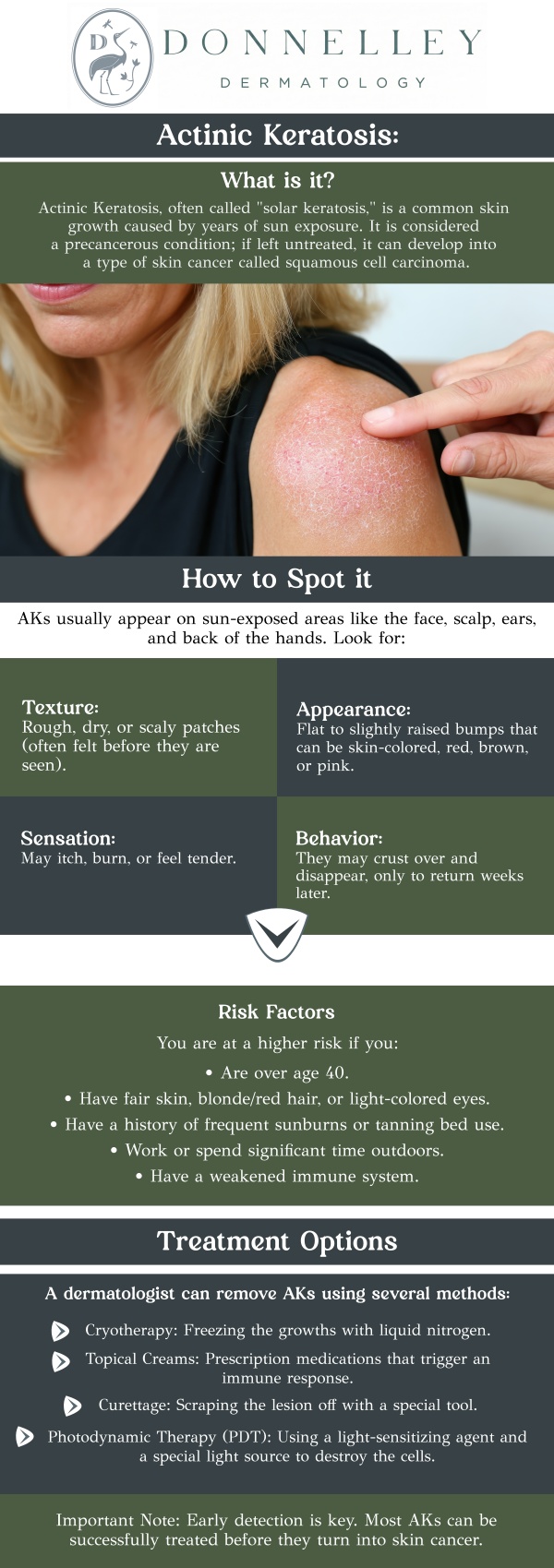
Table of Contents:
How do Upper East Side dermatologists identify actinic keratosis early?
What is the typical recovery process for actinic keratosis treatment in Upper East Side clinics?
When should patients seek actinic keratosis treatment on the Upper East Side, NY?
Get Actinic Keratosis Treatment With Dr. Naomi S. Donnelley, a Board-Certified Dermatologist at Donnelley Dermatology, PLLC on the Upper East Side, NY
Upper East Side dermatologists identify actinic keratosis (AK) early by performing careful and thorough skin examinations. They focus on areas that receive the most sun exposure, such as the face, scalp, ears, neck, and hands. During these checks, they look for rough, scaly, or slightly raised patches that can vary in color — from pink or red to brown or gray. These spots often feel like sandpaper or a rough surface, which helps distinguish them from harmless age spots or other skin changes. Early identification is important because actinic keratosis can sometimes progress into squamous cell carcinoma if left untreated.
In addition to the physical examination, dermatologists take a detailed history of your skin health and sun exposure habits. They ask about past sunburns, time spent outdoors, tanning bed use, and any new or changing lesions. This information helps them assess risk and determine which areas of the skin need closer attention. If a spot appears suspicious — for example, if it grows, bleeds, or looks different from surrounding skin — the dermatologist may perform a small biopsy. This allows the cells to be examined under a microscope to confirm whether the lesion is actinic keratosis or a more serious condition.
At Donnelley Dermatology, PLLC, board‑certified dermatologists use a combination of visual inspection, tactile assessment, and patient history to identify actinic keratosis as early as possible. They also provide guidance on self‑monitoring, educating patients on what to watch for between visits. By combining regular skin checks with proper risk assessment, they ensure that precancerous lesions are caught early and treated effectively, helping patients maintain healthy, protected skin.
After treatment for actinic keratosis, the recovery process mainly depends on the type of therapy used. For procedures like cryotherapy, the treated area may be red, tender, or slightly swollen for several days. You might notice some flaking, crusting, or peeling as the damaged cells shed and healthy skin regenerates. Most people can continue normal daily activities right away, though temporary sensitivity or mild discomfort is common while the skin heals.
When topical treatments are used, the skin may become inflamed, red, or crusted over several weeks as the abnormal cells are removed. This reaction is expected and part of the healing process. Dermatologists provide guidance on gentle skin care, sun protection, and managing any irritation until the skin fully recovers, which can take a few weeks to a couple of months, depending on the extent of treatment.
At Donnelley Dermatology, PLLC, providers walk patients through the expected recovery process, offer personalized after‑care instructions, and schedule follow-ups to monitor healing. Their team ensures that recovery is comfortable and effective while emphasizing the importance of ongoing sun protection to prevent future lesions.
Patients should seek evaluation whenever they notice new or changing skin lesions on sun‑exposed areas, especially if the spots feel rough, grow, bleed, itch, or do not heal over weeks. Because actinic keratoses can sometimes progress to squamous cell carcinoma, dermatologists recommend treatment even for seemingly minor patches.
Routine skin checks are particularly important for individuals with significant lifetime sun exposure, fair skin, a history of tanning bed use, or a personal or family history of skin cancer. Ideally, these evaluations happen annually or as recommended by your dermatologist to catch new lesions early.
Upper East Side practices like Donnelley Dermatology, PLLC, encourage patients to schedule an appointment promptly if they detect suspicious spots or have risk factors for skin damage. Early diagnosis and intervention often lead to more effective and less invasive treatment, helping protect overall skin health.
Dr. Naomi S. Donnelley, a board-certified dermatologist at Donnelley Dermatology, PLLC, on the Upper East Side, NY, provides comprehensive care for patients with actinic keratosis. She combines expert clinical assessment with advanced treatment techniques to address precancerous skin lesions effectively. Her approach emphasizes early detection and personalized treatment plans, ensuring that each patient receives care tailored to their specific skin type, sun exposure history, and lesion characteristics.
Under Dr. Donnelley’s guidance, patients benefit from a carefully monitored treatment process that balances effectiveness with skin safety and cosmetic outcomes. She educates patients on preventive strategies, follow-up care, and sun protection, helping to reduce the risk of future lesions. At Donnelley Dermatology, PLLC, her focus is on providing thorough, patient-centered care that promotes long-term skin health and early intervention for actinic keratosis. For more information, contact us or schedule an appointment online. We are conveniently located at 1075 Park Ave , #1C, New York, NY, 10128. We serve patients from New York NY, Bronx NY, Brooklyn NY, Manhattan NY, Harlem NY, and surrounding areas.

Check Out Our 5 Star Reviews


ADDITIONAL SERVICES YOU MAY NEED
▸ Acne Treatment
▸ Birthmarks
▸ Eczema
▸ Warts
▸ Molluscum Contagiosum
▸ Viral Rashes
▸ Drug-Induced Rashes
▸ Rashes Treatment
▸ Seborrheic Dermatitis
▸ Fungal Infections
▸ Hives
▸ Dysport
▸ Fillers
▸ Fine Lines & Wrinkles
▸ Facial Volume
▸ Microneedling
▸ Fraxel Laser
▸ Intense Pulsed Light (IPL)
▸ Venous Stasis Dermatitis
▸ Pigmentation Treatment
▸ Melasma Treatment
▸ Dark Spots
▸ Freckles and Lentigines
▸ Cyst Excisions
▸ Mole Removal
▸ Skin Tags
▸ Skin Cancer Screening
▸ Basal Cell Carcinoma (BCC)
▸ Squamous Cell Carcinoma (SCC)
▸ Melanoma
▸ General Dermatology
▸ Psoriasis
▸ Rosacea
▸ Herpes Infections
▸ Shingles
▸ Hair Loss
▸ Dry Skin
▸ Seborrheic Keratoses

ADDITIONAL SERVICES YOU MAY NEED
▸ Acne Treatment
▸ Birthmarks
▸ Eczema
▸ Warts
▸ Molluscum Contagiosum
▸ Viral Rashes
▸ Drug-Induced Rashes
▸ Rashes Treatment
▸ Seborrheic Dermatitis
▸ Fungal Infections
▸ Hives
▸ Dysport
▸ Fillers
▸ Fine Lines & Wrinkles
▸ Facial Volume
▸ Microneedling
▸ Fraxel Laser
▸ Intense Pulsed Light (IPL)
▸ Pigmentation Treatment
▸ Melasma Treatment
▸ Dark Spots
▸ Freckles and Lentigines
▸ Cyst Excisions
▸ Mole Removal
▸ Skin Tags
▸ Skin Cancer Screening
▸ Basal Cell Carcinoma (BCC)
▸ Squamous Cell Carcinoma (SCC)
▸ Melanoma
▸ General Dermatology
▸ Psoriasis
▸ Rosacea
▸ Herpes Infections
▸ Shingles
▸ Hair Loss
▸ Dry Skin
▸ Seborrheic Keratoses
▸ Venous Stasis Dermatitis



 Send Text
 How May I Help You?